Artificial Stone vs Natural Stone Countertops Which Is Worth the Money
Your countertop is the part of your kitchen you touch every single day. You chop on it, spill on it, set hot pans near it and show it off to every guest who walks in. So when you start comparing artificial stone and natural stone countertops, the big question is not which one looks nicer in a photo. The big question is which one gives you more for your money over the years. Every kitchen remodel runs into this choice, so here is a clear and honest answer from the team at Parlunbuilding.
Quick Summary of Artificial Stone vs Natural Stone Countertops
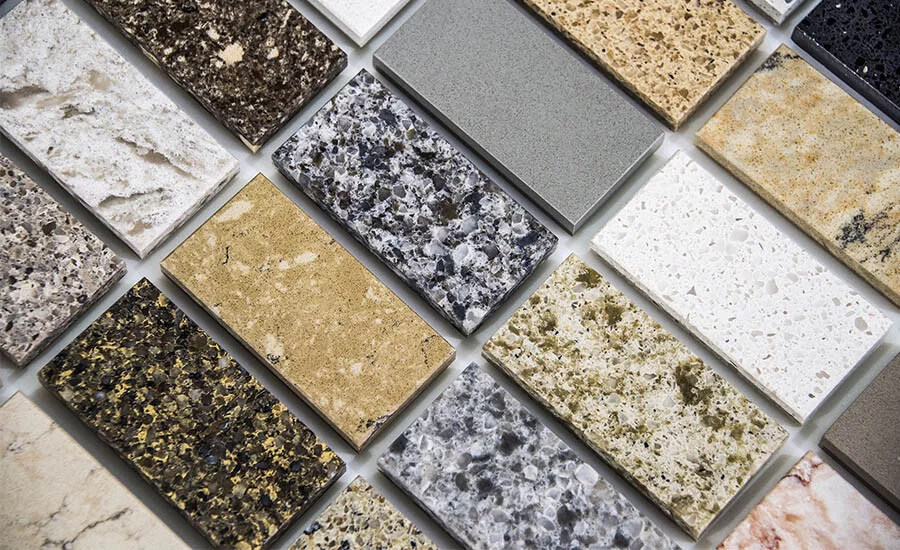
Artificial stone countertops, also called engineered stone or quartz countertops, are made from crushed stone and resin. They are nonporous, stain resistant, low maintenance and look the same from one slab to the next. Natural stone countertops like granite, marble and quartzite are cut straight from the earth, so every slab is one of a kind. They handle heat well, but most of them need sealing and more careful cleaning. On price, granite often costs a little less per square foot than quartz, while marble and quartzite usually cost more, although the ranges overlap a lot. For busy families who want easy care and a steady look, artificial stone is often the better value. For people who love a unique pattern and do not mind regular sealing, natural stone can be worth every dollar. Whichever you pick, choose a careful fabricator, because cutting any stone creates dust and high silica engineered stone needs strict safety steps. Parlunbuilding can help you compare both options and match your countertop with your kitchen cabinets.
What Are Artificial Stone Countertops and Natural Stone Countertops
Let us start with the basics so the rest makes sense.
Artificial stone is a factory made slab. It is also sold as engineered stone, man made stone or quartz countertops. Makers mix crushed natural stone, most often quartz, with resin and color pigments, press it into a slab and polish the surface. Because it is made by design, the color and pattern can be controlled.
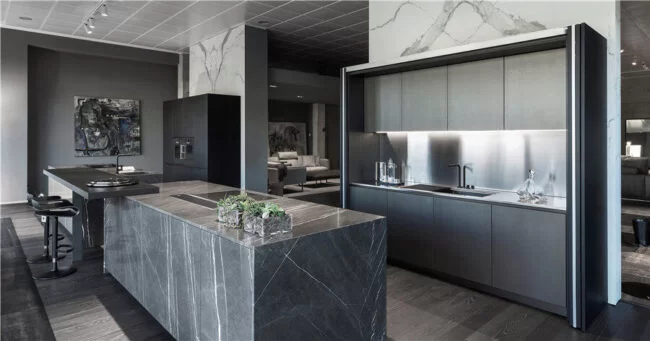
Natural stone countertops are slabs cut from quarries and then polished to size. The most common picks are granite, marble, quartzite and soapstone. Nothing is mixed in, so the beauty you see is the beauty the earth made.
One small tip that saves a lot of confusion: quartz and quartzite are not the same thing. Quartz is engineered. Quartzite is natural stone. If you want to see what is available, take a look at our artificial stone countertops page.
Artificial Stone vs Natural Stone Countertop Cost Per Square Foot
Money is where most people want answers first, so let us talk numbers. Prices change by city, brand and project, but many 2026 price guides share ranges close to these installed prices per square foot.
- Granite countertops: about $40 to $100
- Quartz and other artificial stone countertops: about $50 to $120
- Marble countertops: about $60 to $150 or more
- Quartzite countertops: about $70 to $200
For a kitchen with around 30 square feet of counter space, quartz often costs a few hundred dollars to about a thousand dollars more than entry level granite. Rare exotic granite can cost more than mid range quartz, so the word natural does not always mean cheaper or more expensive.
The final price depends on slab brand, thickness, edge style, sink cutouts, seams and where you live. A smart move is to ask for quotes on the same size, the same edge and the same cutouts. That way you compare apples to apples.
Also think about the cost after you buy. Granite needs sealing over time, and that is a small ongoing cost. Artificial stone usually does not need sealing at all.
Durability Stain Resistance and Heat Resistance Compared
A countertop has to survive real life, so here is how each one holds up.
Artificial stone is very hard and resists scratches and chips well. Because it is nonporous, coffee, wine and oil do not soak in easily, which makes it a favorite stain resistant countertop. The weak spot is heat. The resin can scorch or change color if you drop a very hot pan on it, and some colors can fade in strong direct sunlight.
Granite is also very hard, and it handles heat better than artificial stone. The catch is that granite is porous. If it is not sealed, stains can find a way in.
Marble is gorgeous, but it is softer. Lemon juice, vinegar and wine can leave dull marks called etching. Quartzite is hard and heat tolerant, and like granite, it works best when sealed.
No matter which one you choose, use trivets and cutting boards. Your countertop will thank you.
Maintenance and Sealing for Low Maintenance Countertops
If you want a countertop that lets you relax, maintenance matters as much as looks.
Artificial stone is the easy one. Warm water and mild soap do most of the work, and there is no sealing schedule to remember.
Natural stone asks for a little more. Granite is usually resealed about once a year, or as your installer advises. Marble needs even more care, since it marks easily and may need extra sealing and gentle cleaners. Quartzite sits in the middle and is happiest with a good sealer.
Ask yourself an honest question. Will you really seal your counters on time? If the answer is probably not, artificial stone may fit your life better.
Looks and Design Options for Kitchen Countertop Ideas
Here is where the choice gets fun.
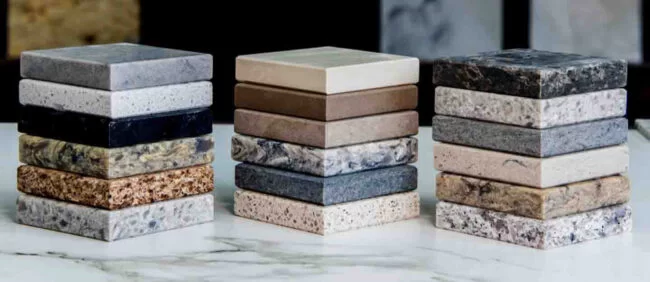
Artificial stone gives you a huge range of colors and patterns, from clean whites to soft marble look veining to deep, bold darks. Since the slabs are made to match, it is easier to get a steady look across a big island or a long run of counters. It also pairs well with matching backsplashes and a wide range of kitchen cabinets.
Natural stone gives you something no factory can copy. Every slab has its own veins, sparkle and depth, so your kitchen becomes truly one of a kind. If you pick your own slab, you know exactly what goes into your home.
So which sounds more like you? A calm, predictable look, or a one of a kind showpiece?
Resale Value and Lifespan of Stone Countertops
Both artificial and natural stone are seen as real upgrades over laminate, and many buyers expect to see granite or quartz in a modern kitchen. Neither one promises a price jump on its own. Buyers care most about condition, color and how well the counters fit the rest of the room.
With good care, both types can last for many years, often decades. Artificial stone stays smooth and bright with very little effort. Natural stone can age beautifully when it is sealed and cleaned the right way.
Silica Safety and Choosing a Trusted Countertop Fabricator
This part matters, and it is better to hear it from us than to be surprised later.
Cutting, grinding and polishing stone makes fine dust that contains crystalline silica. Breathing a lot of this dust over time can cause a serious lung disease called silicosis. Engineered stone usually has much more silica than most natural stone, so the concern is larger for it. The risk is mainly for the workers who cut and finish the slabs. The industry says finished countertops are safe for everyday use, while regulators in some places are tightening rules. Australia banned engineered stone in 2024, and California safety officials have proposed limits on fabricating high silica engineered stone.
What can you do as a homeowner? Ask your fabricator how they control dust, such as wet cutting, proper ventilation and protective gear. Ask about lower silica options too. A good shop will answer these questions without a problem.
How to Decide Which Countertop Is Worth the Money for Your Kitchen
There is no single winner, only the better fit for you.
Artificial stone is usually worth it if you:
- Want a low maintenance countertop with no sealing
- Like a steady, clean look and matching slabs
- Have a busy home with kids, guests or lots of cooking
- Want a stain resistant surface that is simple to wipe down
Natural stone is usually worth it if you:
- Want a one of a kind pattern that no one else has
- Need a surface that handles heat better
- Do not mind sealing and a little extra care
- Love the look of real quarried stone
If you are still stuck, bring your cabinet color, your budget and your daily cooking habits to the table. Those three things usually point to the answer.
Artificial Stone Countertop Options and Support from Parlunbuilding
Choosing a countertop is easier when you can compare real options and see how they work with your cabinets. Parlunbuilding helps homeowners explore stone countertops and kitchen cabinetry so the whole kitchen feels planned instead of pieced together. Start by exploring our artificial stone countertops, then visit Parlunbuilding to see what fits your style and your budget.
Frequently Asked Questions About Artificial Stone and Natural Stone Countertops
Is artificial stone better than natural stone for countertops?
It depends on what you value. Artificial stone is better for easy care, stain resistance and a steady look. Natural stone is better for one of a kind beauty and strong heat tolerance. Pick the one that matches how you live.
Is artificial stone cheaper than granite?
Not always. Quartz and other artificial stone often cost a little more per square foot than entry level granite. It can be cheaper than marble, quartzite and rare exotic granite. Get quotes for the same size and edge to compare fairly.
How long do quartz countertops last?
With normal care, quartz countertops can last for many years, often decades. The main things that shorten their life are very hot pans, heavy impact and long sun exposure.
What is the downside of quartz countertops?
The resin can be harmed by high heat, some colors can fade in strong sunlight, seams can show on large runs and quartz can cost more than entry level granite. Fabrication also creates silica dust, so it is important to choose a shop that follows strict safety steps.